

Top Mistakes to Avoid When Setting Tiles
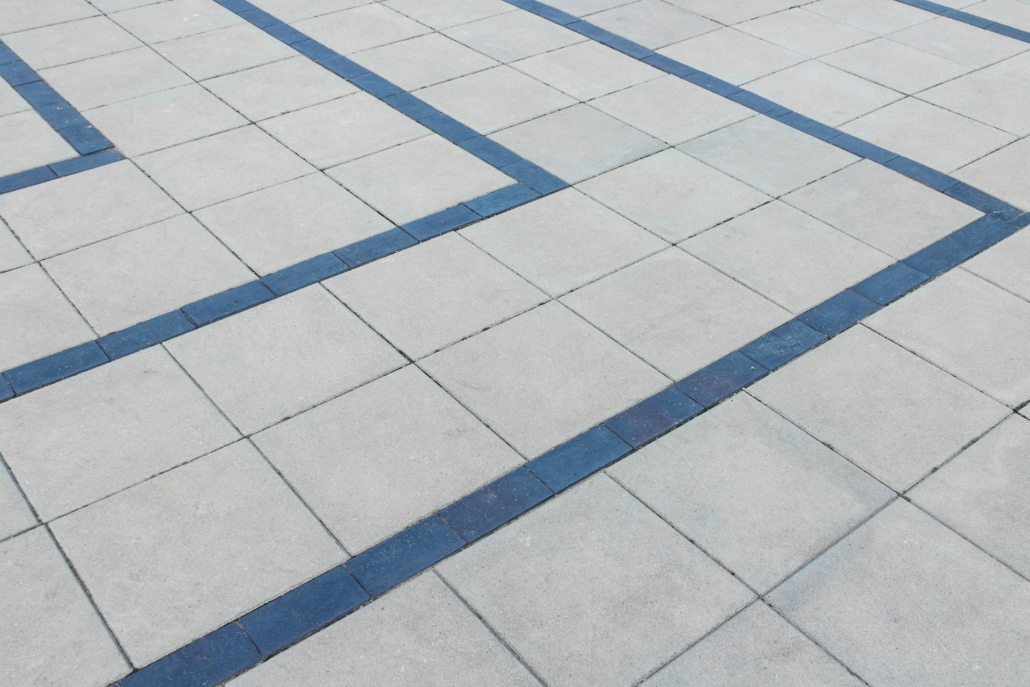
Properly setting tiles can transform any space, enhancing both the functionality and aesthetics of a room. Whether you’re renovating your bathroom or updating your kitchen, knowing the common pitfalls associated with tile installation can save you time, effort, and money. A smooth, flawless finish requires attention to detail, but many DIY enthusiasts fall short due to some common mistakes. From neglecting surface preparation to choosing the wrong adhesive, there are several traps that can lead to an uneven, unattractive result.
In the heart of Capalaba, understanding tile installation specifics is crucial, given the diverse range of home designs and styles. The success of your tiling project largely depends on avoiding a few key errors. By steering clear of these mistakes, you’ll not only achieve a beautiful finish but also ensure the longevity and durability of your tiles. Let’s dig into the top mistakes you should avoid when setting tiles and how to achieve that perfect look with confidence.
Poor Surface Preparation
One major misstep when laying tiles is neglecting to prepare the surface properly. The foundation you lay your tiles on is critical, and an improperly prepared surface can lead to a host of problems down the road. Common issues include uneven surfaces, which cause tiles to sit awkwardly, and debris, which can lead to a lackluster finish.
Before laying a single tile, ensure that the surface is level, clean, and dry. To get started, remove any old adhesive or coatings, and make sure to repair cracks or imperfections. A smooth, debris-free surface not only makes the adhesive work better but also ensures the tiles lay flat and even. Here’s a simple checklist for preparing your surface:
– Remove any old tiles or remnants of adhesive from the previous installation.
– Check for cracks or holes, and fill them with appropriate repair compounds.
– Sand the surface to make sure it’s even, then clean away any dust.
Proper preparation might feel like a chore, but it pays off with a polished look and a strong bond that keeps tiles secure for the long haul. Taking the time to get this step right can prevent future headaches and ensure your tiles remain sturdy and stylish for years to come.
Incorrect Adhesive Choice
Choosing the right adhesive is a bit like finding the right glue for a school project; just any old sticky substance won’t do. Tiles need a specific kind of adhesive to stay put. The wrong choice could mean your beautiful tiles end up cracked or misaligned. Different types of tiles, like ceramic or porcelain, require specific adhesives that support their weight and texture. Heavy tiles might need a stronger adhesive, while lighter materials can be secured with a simpler option.
Pay attention to the environment, too. For areas with moisture, such as bathrooms or outdoor settings, it’s crucial to pick an adhesive that’s waterproof or resistant to humidity. Key considerations when choosing adhesive include:
– Match adhesive to the tile’s weight and material.
– For wet areas, opt for moisture-resistant adhesives.
– Consider environmental factors like temperature changes.
Selecting the right product might seem like a small task, but it plays a massive role in how long your tile work lasts. Think of it as the foundation that holds everything together.
Improper Tile Spacing
When setting tiles, getting the spacing right makes all the difference between a slick and shabby end result. Proper spacing ensures your tiles are not cramped or too far apart, affecting both appearance and stability. It’s about keeping those grout lines consistent, which helps the grout do its job effectively by filling the gaps.
Common mistakes occur when installers eyeball the gaps instead of sticking to a plan. This can lead to uneven grout lines, which not only look messy but can become weak points in your flooring or wall. Using tile spacers can make the job easier and helps maintain uniform gaps. Here are some pointers for achieving the best tile spacing:
– Use spacers to maintain consistent gaps between tiles.
– Check the alignment regularly as you go.
– Plan out the grid pattern beforehand to catch any potential misalignments.
Spacing may seem trivial, but it’s the framework for achieving a seamless finish. Keep an eye on those little details, and you’ll end up with a polished look that’s as durable as it is charming.
Skipping Layout Planning
Imagine trying to fit a complex puzzle without a guide; it would take forever and might never look right. Skipping the layout planning when setting tiles is a similar blunder. Planning the layout beforehand is like having a strategy in place, ensuring all pieces fit perfectly with minimal wastage.
Many issues arise when planning is overlooked, such as uneven patterns or awkwardly cut tiles trimming the edges. These not only disrupt the visual flow but can also lead to increased material costs and time. To avoid these frustrations, sketch a basic layout first, considering the room’s focal points and where cuts will be necessary. Here’s a simple strategy to guide you:
– Sketch the layout before starting to lay tiles.
– Identify the focal points to position key tiles.
– Mark where tile cuts will be needed to reduce material waste.
By taking these measures, you’ll find that laying tiles becomes much simpler and more efficient. A bit of planning now prevents a lot of hassle later.
Neglecting Grout Application
Think of grout as the safeguard that keeps your tiles in place, like the icing on a cake. It holds everything together, sealing the tiles against moisture and dirt. Neglecting proper grout application can lead to gaps that gather dirt and grime, or worse, allow water to seep in and damage the underlying surface.
Grout comes in various types, and selecting the right one for your project is important. Coloured grouts can enhance the appearance of tiles, while others might be more suited for high-moisture areas. To apply grout correctly, follow these key steps:
– Choose a grout that complements your tile and environment.
– Follow the manufacturer’s instructions for mixing and applying.
– Wipe away excess grout before it dries to avoid stains.
Paying attention to the grout can transform the strength and look of your project. It ensures your tiles remain intact and your space stays beautiful and clean over time.
Mastering Perfect Tile Installation in Capalaba
Achieving a perfect tile installation is all about minding the details we’ve discussed. By preparing the surface properly, choosing an adhesive that suits your tiles, and ensuring correct spacing and alignment, you set the foundation for success. Don’t forget the essential role of layout planning and grout application in the entire process. Each step contributes to the overall quality and lifespan of your tiles.
Remember, the process might seem intimidating initially, but armed with this knowledge, you can avoid the pitfalls and create a stunning tile finish with ease and confidence. If in doubt, seeking expert assistance can elevate your project to the highest standard. Whether for a small kitchen backsplash or a large outdoor area, getting it right from the start leaves you with a seamless, professional outcome that you’d be proud to showcase.
If you’re ready to transform your space with impeccable tile work, consider working with a trusted tiles company in Capalaba for expert guidance and lasting results. Urban Tile Company offers premium tiles and professional support to help bring your vision to life with confidence and style.


Leave a Reply
Want to join the discussion?Feel free to contribute!