

Eco-Friendly Tiles: Your Guide to Sustainable Flooring
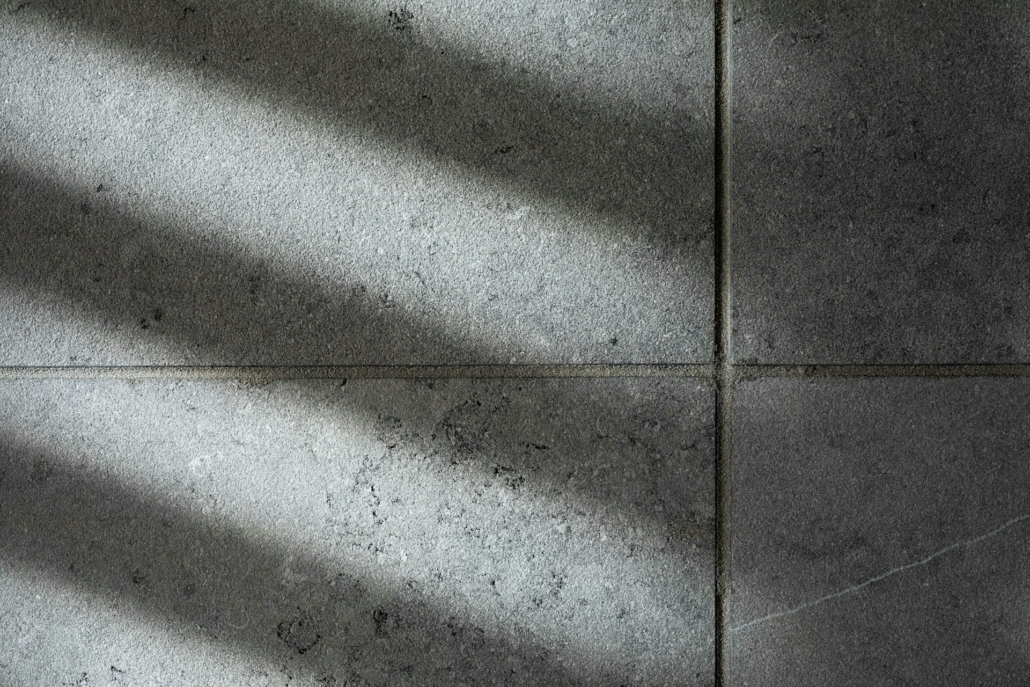
Eco-friendly tiles are gaining popularity for good reasons. They offer sustainable options for homeowners who want to reduce their environmental impact. With the increasing focus on sustainability, these tiles provide an attractive choice for those looking to beautify their spaces while making responsible decisions.
Tiles made from eco-friendly materials help preserve natural resources and minimise waste. Whether it’s recycling old materials or using new ones from sustainable sources, these practices make a big difference. With a variety of styles and finishes, eco-friendly tiles can fit into any home’s design scheme without compromising on aesthetics.
The benefits of choosing eco-friendly tiles go beyond aesthetics. They contribute to a healthier home environment by utilising non-toxic materials and production methods. As more people seek to reduce their carbon footprint, understanding how to choose and incorporate these tiles becomes important.
Incorporating eco-friendly tiles into your design not only enhances your home’s look but also aligns with greener living values. As we explore the world of sustainable tiles, you’ll see how easy it is to make an environmentally friendly choice that suits your style and needs.
Understanding Eco-Friendly Tile Materials and Their Benefits
Eco-friendly tiles are crafted from materials that are kind to the Earth. Understanding these materials helps you make informed decisions for a sustainable home. One popular option is recycled glass tiles. Made from discarded glass bottles and windows, these tiles are transformed into beautiful products, reducing waste and conserving natural resources.
Cork tiles stand out as another sustainable choice. Sourced from the bark of cork oak trees, these tiles don’t require tree cutting. The bark regenerates naturally, making cork a sustainable and renewable resource. Cork tiles are soft underfoot, provide great insulation, and are perfect for reducing noise in busy areas.
Bamboo tiles are gaining attention too. While technically a grass, bamboo grows quickly and can be harvested without harming the plant. This makes it an environmentally friendly choice. Bamboo tiles offer a unique, natural aesthetic and are incredibly durable.
Terra cotta tiles, made from natural clay, are another eco-friendly option. These tiles require minimal processing, and once their life ends, they can be recycled or naturally decompose. Terra cotta’s earthy tones bring warmth to any space.
Each of these materials contributes to a greener home while offering durability and style. By selecting eco-friendly tiles, you support sustainable practices and enjoy a home that’s beautiful and kind to the planet.
Innovative Sustainable Practices in Tile Production
Tile production has evolved to embrace sustainable practices, ensuring that eco-friendly tiles meet both style and environmental standards. Innovative techniques minimise pollution and waste during manufacturing, benefiting both the planet and future generations.
Water conservation is a key aspect in eco-friendly tile production. Many manufacturers now recycle water within their facilities, using closed-loop systems. This process reduces the amount of freshwater needed, significantly lowering the environmental impact.
Energy efficiency in tile production greatly reduces carbon emissions. Manufacturers are increasingly using renewable energy sources, such as solar power, to heat their kilns. This switch to green energy lessens reliance on fossil fuels and diminishes greenhouse gas emissions.
Waste reduction initiatives also play a crucial role. Factories often recycle unused materials back into production. Broken tiles and scraps are crushed into powder and incorporated into new products, preventing waste from reaching landfills.
Some producers use digital printing technology, which requires fewer resources, to create intricate designs and patterns. This technique conserves ink and reduces the need for harsh chemicals, making the process more sustainable.
By choosing tiles from companies that embrace these practices, you actively support a movement towards sustainability. These efforts ensure that eco-friendly tiles are both beautiful and produced in a manner that respects our environment.
How to Choose Certified Eco-Friendly Tiles for Your Home
Selecting certified eco-friendly tiles ensures that your choice truly benefits the environment. Certifications act as a guarantee that the tiles meet strict environmental standards, so it’s essential to look for these labels when shopping.
Numerous certification organisations provide eco-labels. The Forest Stewardship Council (FSC) is important if you’re considering bamboo or cork tiles. They ensure materials come from responsibly managed forests. For ceramic and porcelain tiles, look for Green Squared or similar certifications, which confirm sustainable manufacturing practices.
When choosing tiles, consider their lifecycle impact. Tiles made from recycled content lessen the demand for new raw materials and help conserve natural resources. Assess the brand’s commitment to reducing carbon emissions and pollution. Reputable manufacturers will share information about their environmental policies and how they minimise waste.
It’s also beneficial to choose tiles with low to no VOC (volatile organic compounds) emissions. VOCs can affect indoor air quality, so selecting tiles that minimise these toxins contributes to a healthier home environment.
By choosing certified eco-friendly tiles, you ensure that your selections are not only stylish and durable but also contribute positively to the planet.
Incorporating Eco-Friendly Tiles into Modern Design Trends
Eco-friendly tiles aren’t just good for the environment; they’re stylish and versatile too. Incorporating these tiles into modern design trends can enhance your home decor while keeping sustainability in mind.
Minimalist designs benefit from the neutral tones and textures of eco-friendly tiles. Grey cork or light bamboo tiles can be used for understated, chic floors. Pair with white walls and simple furniture for a clean, modern look.
For those who love pops of colour, recycled glass tiles offer a vibrant choice. These tiles come in many shades and add a unique sparkle to kitchens or bathrooms. Use them as a feature wall or backsplash to create a stunning focal point.
Patterns are also trending. Mixed-sized ceramic tiles or geometric designs made from sustainable materials add visual interest without overpowering a room. These can be particularly effective in smaller spaces, such as powder rooms or entryways.
Consider combining different tile types. Mix terracotta floors with bamboo accents on the walls for a warm, inviting atmosphere. This layered approach adds depth and keeps your design contemporary yet eco-conscious.
Conclusion
Eco-friendly tiles offer a wonderful opportunity to integrate style with sustainability in your home. With a wide range of materials, colours, and designs, these tiles prove that going green doesn’t mean compromising on aesthetics. By understanding eco-friendly materials, recognising certified tiles, and following sustainable practices, you can make informed decisions that benefit both your living space and the environment.
As you explore eco-friendly options, consider how your choices support a healthier planet and a more beautiful home. Whether you’re renovating a single room or an entire house, eco-friendly tiles provide the perfect blend of function and design.
Looking to update your space with beautiful, eco-friendly tiles? Visit Urban Tile Company to explore a wide selection of sustainable options that enhance your home’s design. Let us help you find the perfect tiles that align with your values and style. Embrace the journey toward a stylish and greener future today!


Leave a Reply
Want to join the discussion?Feel free to contribute!