

What to Watch Out for When Choosing Checkered Floor Tiles
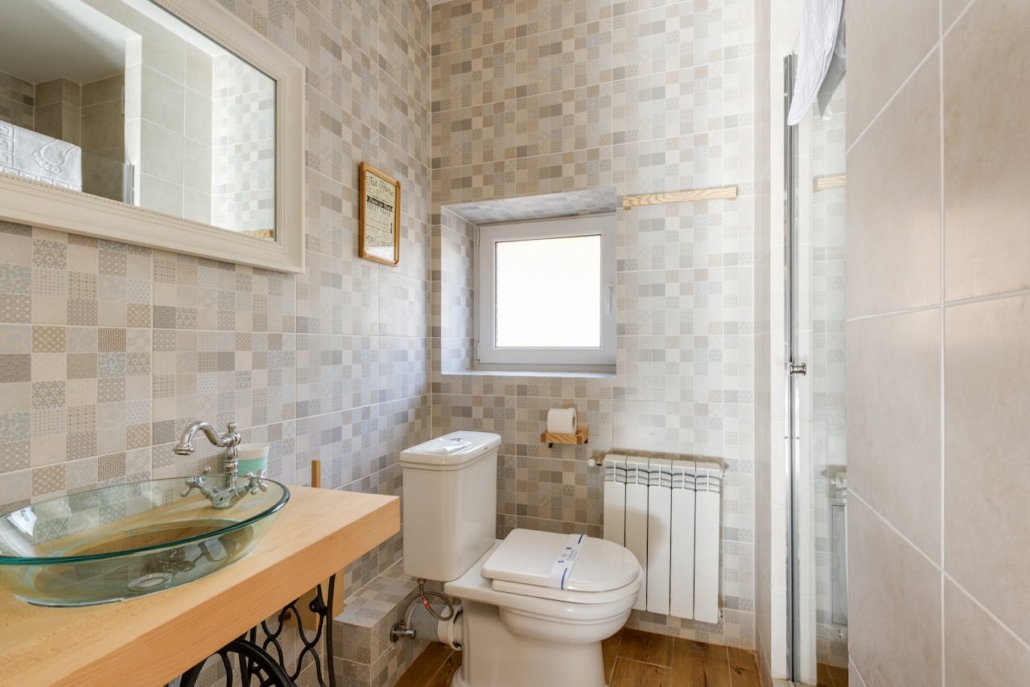
Checkered floor tiles can turn a plain space into something striking, but not every check pattern works everywhere. The classic style has been around for decades, but getting it right takes more than just picking colours and laying squares. Some choices that look great on a showroom floor might not suit how a space functions day to day.
We’ve helped plenty of Brisbane homes work through what looks good and what holds up well long-term. If you’re thinking of going with checkered floor tiles, there are a few big-picture details to keep in mind. Everything from the size of your space to the kind of sunlight it gets can affect how the floor turns out.
Colour and Pattern Scale Can Change a Room
When you look at checkered floors in magazines or display rooms, it’s easy to forget how size plays into it. The pattern that looks clean and sharp in one place might feel totally off in another.
- Small squares in tight spaces can overload the eye, especially if there’s already a lot of furniture or decor. In narrow hallways or small powder rooms, tiny checks can make everything feel too busy.
- Oversized squares can go too far the other way. In smaller rooms, large-scale patterns make the floor feel like it’s closing in or shortens the space visually.
- Black and white tiles get most of the attention, but there are other options. Soft greys with ivory or beige tones give you the same contrast with a lighter, more relaxed feel. This subtle version still reads as checkered but creates a softer finish that doesn’t wear out the eyes.
We always remind our clients that the floor shouldn’t compete with the room, especially if there are already bold statement pieces around.
Think About Where the Tiles Will Go
Some rooms handle checkered tiles better than others simply because of how they get used. What works in an entryway might not suit a kitchen or patio.
- High-traffic areas need tiles that can take a knock. Scuffs, grit, and constant footwork mean glossier surfaces might start to mark up, while matte or textured finishes hold up better.
- In kitchens and bathrooms, grip becomes more important. Wet feet and smooth tiles are a risky mix. It’s better to go with tiles that give some traction without grabbing every bit of dirt.
- Outdoor areas or partially covered patios need even more attention. Brisbane summers bring heavy sun exposure, which can fade some colours or wash out the contrast. Choosing a pattern that holds its tone under sunlight helps a lot over time.
Each location inside or outside the house puts different demands on the tile, so placement should guide what type of tile goes where.
Make Sure Layout and Cuts Look Balanced
A checkered pattern can turn from neat to clumsy fast if the layout isn’t well planned. It pays to think through how the pattern will finish along walls and entries before setting anything down.
- When the entire layout is slightly off-centre, the pattern tends to look crooked, even if it’s been installed carefully. The eye notices when the boxes don’t line up as expected.
- Long skinny edge tiles ruin the whole look. If you’re ending up with little slivers of a tile around the edges, it’s usually a sign the layout needs adjusting sooner, not later.
- Diagonal patterns look great when done well, but they take more cutting, better planning, and tighter measuring. If not measured out clearly, cuts around door frames, corners, and cabinets can quickly look uneven.
Balance matters more than most think. You want the pattern to feel smooth and lined up across the room, not chopped up or rushed at the edges.
How Lighting Impacts the Look
We’ve seen how the same tile looks completely different based on how the light hits it. This sneaks up on people who pick something based on store lighting, only to find it looks much brighter or darker at home.
- Natural light changes how colours show up. A soft grey check might appear blue in a room with a lot of cool morning light. That same tile might seem more warm and neutral in late afternoon sun.
- Glossy finishes work in some rooms, but in north-facing areas with lots of harsh light, these tiles can throw too much glare and feel uncomfortable.
- Furniture casts shadows that break up the pattern. Sofas, tables, and kitchen islands pull attention away from the design and can make one side of the space look darker than the other.
Test tiles at different times of day, even if it’s just a few on the floor for a couple of days. It helps avoid surprises after all that work is done.
Cleaning and Ongoing Upkeep
Some tiles look great on day one but are harder to live with long term. When it comes to checkered floors, the contrast that draws people in can make dirt and marks stand out more.
- Black or dark tiles tend to show light fluff and everyday dust quickly. On pale tiles, it might be the dark scuffs or dried mop marks that draw the eye.
- Grout colour matters more than people realise. Light grout might stain fast, but dark grout makes the pattern edges look more defined, which can draw attention to crooked lines if they’re not laid straight.
- Some tiles are much easier to wipe down, especially flat ones with minimal texture. Bevelled edges or surface detail can trap mess in the corners.
We often see people surprised by how much the finish or grout impacts clean-up. Simpler designs with balanced contrast usually hold better under regular use.
Urban Tile Company has a broad range of patterned tiles, including both classical and modern takes on the checkered style, with different finishes and grout colour options. Our showroom provides samples so clients can test tile combinations and lighting in person before making a final choice.
A Better Finish Comes from Good Planning
Checkered floor tiles can absolutely work across all sorts of Brisbane homes as long as the layout, colour pairing, and tile type fit the space itself. When there’s a clear plan and a bit of testing before installation starts, the end result feels polished and balanced.
Spaces that wear well over the years usually have a pattern that complements the light, handles the foot traffic, and blends naturally with the furniture placement. Good tiles don’t just stand out on their own, they tie the room together in a quiet, lasting way.
At Urban Tile Company, we know that choosing checkered floor tiles is about more than just looks, it’s about making your Brisbane home work for your lifestyle. From how the sunlight hits your floors to the way your furniture is arranged, every detail matters over time. We’ve seen how the right choices in shape, finish, and tone can turn even the busiest rooms into comfortable and inviting spaces. To see how others in Brisbane are using checkered floor tiles in kitchens, entryways, and more, explore our recent project spaces. When you’re ready to start planning a design that fits your home, give us a call and we’ll guide you through the options.


Leave a Reply
Want to join the discussion?Feel free to contribute!