

Understanding Porcelain vs. Ceramic Tiles
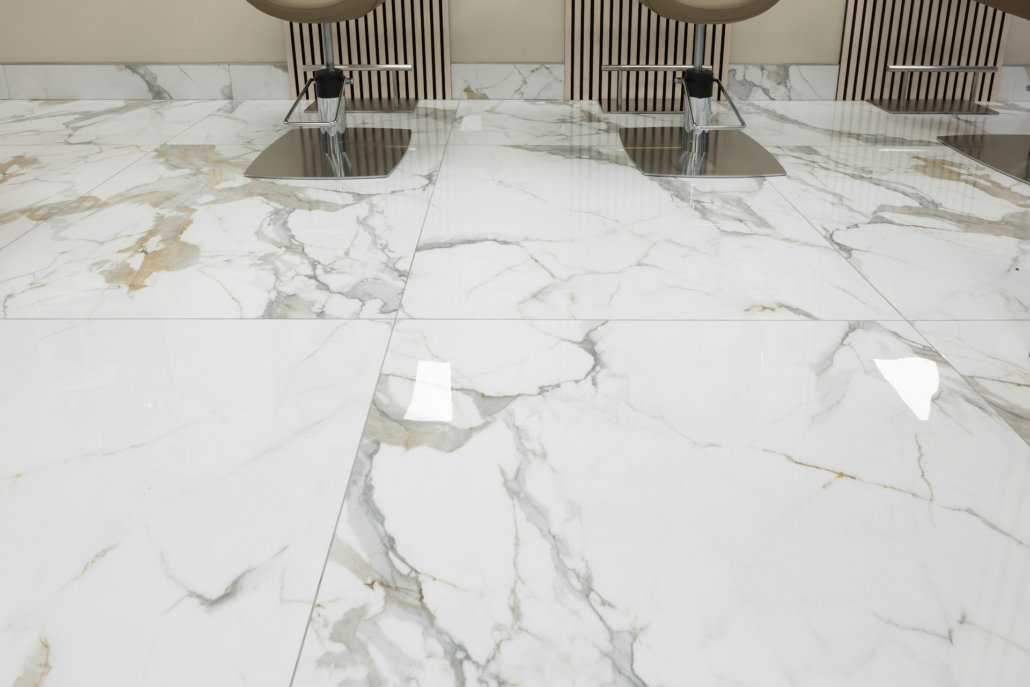
Tiles are a popular choice for flooring and wall coverings in homes, thanks to their durability, aesthetic appeal, and versatility. Among the many types of tiles available, porcelain and ceramic tiles are often at the forefront of homeowners’ options. Knowing the distinctions between porcelain and ceramic tiles can aid in making the most informed choice for your home, especially in a vibrant city like Brisbane. This guide aims to clarify the fundamental differences between these two tile types and how each might suit your living spaces.
Choosing tiles isn’t just about finding a design you like; it’s also about selecting a material that fits the environment and lifestyle of your area. For residents in Brisbane, with its warm climate and occasional downpours, selecting the right tile can truly enhance the comfort and longevity of your home. Let’s explore the unique features of porcelain and ceramic tiles and see how they can play a complementary role in Brisbane’s distinct setting.
What Are Porcelain Tiles?
Porcelain tiles are renowned for their strength and density. Made from a refined clay mixture and fired at higher temperatures, these tiles are incredibly durable and often used in spaces that demand heavy-duty flooring, like kitchens, hallways, and even outdoor areas. This makes them a solid option for Brisbane’s weather, which can range from hot summers to rainy seasons.
In terms of style, porcelain tiles offer a smooth finish and come in a vast array of designs and colors that can mimic the look of natural stone or wood. This makes them perfect for creating any look you desire, from classic elegance to modern minimalism. The non-porous nature of porcelain results in low water absorption, making these tiles resistant to water damage and stains, ideal for Queensland’s unpredictable rain.
Residents might find these tiles beneficial for areas exposed to the sun, as they maintain their color over time and are less likely to fade. Plus, the resilience of porcelain means less worry about scratches or chips, ensuring that your floors or walls remain pristine for years.
What Are Ceramic Tiles?
Ceramic tiles are crafted from a different blend of clay that’s fired at a lower temperature than porcelain. This results in tiles that are slightly more porous and softer. While they might not be as hard-wearing as porcelain, ceramic tiles are a cost-effective and versatile option for many indoor spaces. They’re often seen in bathrooms and utility rooms where elegance and light use are key.
Ceramic tiles also come in a wide range of styles, from textured finishes to bright, glossy surfaces. This versatility allows for creativity in the home design process, giving you the flexibility to update or change styles as trends evolve. For example, they can be great for a colorful, artistic pattern on a kitchen backsplash, adding a pop of color to your living space.
Additionally, the DIY-friendly nature of ceramic tiles means they can be easier and less expensive to install, which can be a convenient factor for Brisbane locals looking to embark on home improvement projects. They are lighter than porcelain, making them suitable for walls where additional weight might be a concern.
Key Differences Between Porcelain and Ceramic Tiles
Understanding the differences between porcelain and ceramic tiles can help you make the best choice for your living space. Here are some of the key distinctions to keep in mind:
– Durability and Strength: Porcelain tiles are generally more dense and durable compared to ceramic tiles. This makes them more resistant to wear and tear, which is ideal for areas with heavy foot traffic like hallways and kitchens. Ceramic tiles, while slightly less robust, can still provide long-lasting beauty in areas with less rigorous use.
– Water Absorption: Porcelain’s dense composition means it has a lower water absorption rate, making it more resistant to staining and suitable for outdoor use in Brisbane’s rainy spells. Ceramic tiles absorb more water, so they’re better suited for indoor areas where moisture isn’t a concern.
– Cost and Installation: Generally, ceramic tiles are more budget-friendly and easier to cut, a bonus for installation in intricate layouts. Porcelain tiles, being denser, can be pricier and more challenging to work with, but their long-term durability often justifies the initial investment.
– Maintenance and Longevity: In Brisbane’s diverse climate, porcelain tiles offer low maintenance due to their resistance to weather effects. Ceramic tiles might require slightly more care to maintain their appearance over time, especially in areas exposed to moisture.
Choosing the Right Tile for Your Brisbane Home
Selecting the right tile involves considering both the functional needs of your space and the aesthetic you want to achieve. Here are some handy tips to guide your decision:
1. Room Functionality: Consider what each room is used for. Kitchens and bathrooms benefit from porcelain tiles because of their toughness and water resistance, while living areas might shine with the warmth of ceramic tiles.
2. Brisbane Climate: With Brisbane’s humid summers and the possibility of sudden rain, think about where moisture and temperature fluctuations might affect your tiles the most. Porcelain tiles, being non-porous, can better withstand these conditions.
3. Maintenance Compatibility: Decide how much time you’re willing to dedicate to tile upkeep. If you prefer a low-maintenance option, porcelain might be your go-to. For more decorative spaces where less wear is expected, ceramic could be the perfect fit.
Make an Informed Decision for Your Home
When it comes to enhancing your home’s value and comfort, choosing the right tiles can make all the difference. Both porcelain and ceramic tiles have their unique advantages and suit different needs based on their characteristics. Think about the specific demands of your home environment in Brisbane and how each type of tile will interact with those demands.
Remember, the choice between porcelain and ceramic goes beyond aesthetics. It encompasses the tile’s role in your home, the environmental factors of your area, and the personal lifestyle you lead. With a thoughtful approach, you can select a tile that will stand the test of time and maintain its beauty and functionality.
If you’re looking to upgrade your space with the right materials, choosing tiles that suit your environment and lifestyle is a great place to start. Whether you’re refreshing a kitchen or planning a new build in Brisbane, Urban Tile Company can guide you every step of the way. Explore how to enhance your interiors with ceramic tiles in Brisbane for a look that’s both practical and stylish.


Leave a Reply
Want to join the discussion?Feel free to contribute!