

Outdoor Kitchen Splashback Tiles That Make Cleanup Faster
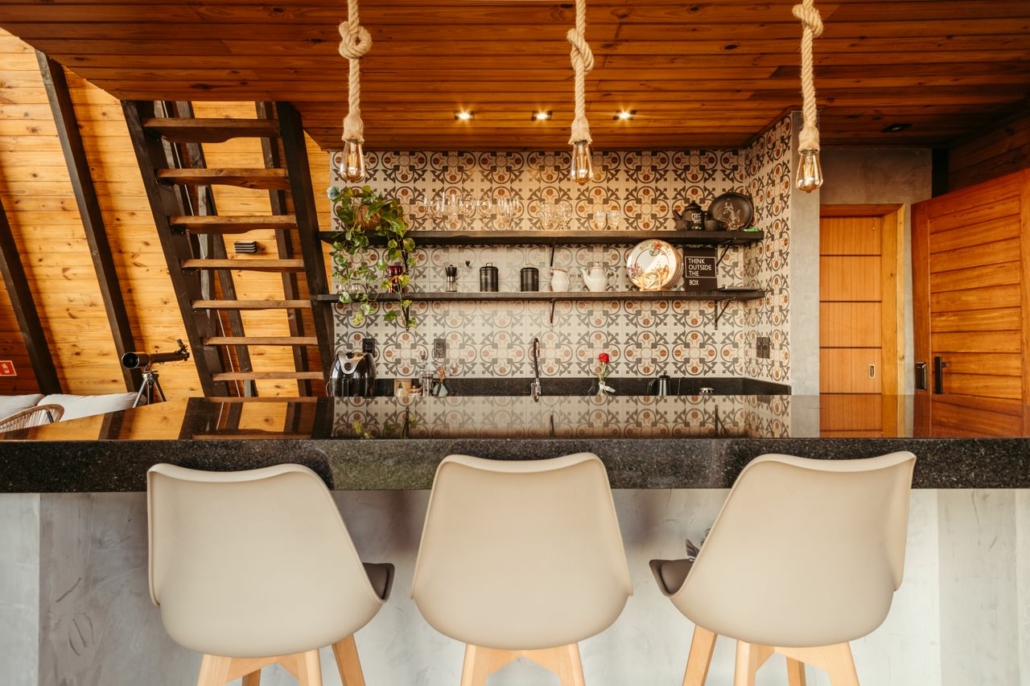
As Brisbane reaches the tail end of winter, outdoor kitchens start coming back to life. Mornings warm up, evenings stretch longer, and meals shift from stovetops to BBQs and pizza ovens. With more cooking happening outside, the cleanup side of things starts to matter just as much as the setup.
Splashbacks in outdoor kitchens are often picked for their look, but they do more than just frame the space. They handle smoke, grease, spatter, and weather. The right surface on the wall behind your cooktop or prep zone can make wiping down quick and easy. That helps when you’d rather get back to the table instead of scrubbing after each session.
Choosing smart outdoor kitchen splashback tiles is one way to make the whole cooking routine feel smoother and less sticky. When the cleanup is simple, the cooking feels like more of a break.
Choosing Tiles That Handle the Outdoors
Not all tiles are made to sit outside through wind, sun, and damp air. Outdoor kitchen splashback tiles need to hold up in different conditions, often from one day to the next.
- Look for dense, low-porosity materials that don’t soak up liquids. Porcelain tiles tend to perform well because they don’t stain easily, even when caught in an oil splatter or tomato spill.
- Glazed surfaces offer another layer of protection. They shed liquids faster and often resist smoke marks better than unsealed materials.
- UV stability matters too. Lighter colours that stand up to both direct sunlight and smoky BBQ sessions won’t fade or take on a yellow tint across the seasons.
For Brisbane’s late winter into spring, when the days are dry and the evenings still carry a chill, a tough surface that handles heat and moisture is a smart choice.
It’s also important to think about the ways outdoor conditions can shift. Days can switch from dry and breezy to damp and cool with little warning, so you want a tile that keeps its good looks even as the weather changes. A splashback that holds up through these shifts helps keep your kitchen area looking sharp no matter what the forecast brings.
Tile Finishes That Make Wipe Downs Easy
Sometimes it’s not just the tile material but the finish that helps with cleaning. Picking the right surface texture can save time after cooking and make a big difference to how tidy your kitchen zone feels from one cook-up to the next.
- Glossy tiles have a smooth feel and reflect light well, which works in covered alfresco zones. Their slick surface makes splashes easier to spot and quicker to clean.
- Matte finishes absorb less glare and suit more rustic or bush settings, but they can pick up more stickiness. If going matte, choose sealed or satin-style tiles to compromise between feel and function.
- Watch grout width and colour. Narrow joints with matching tones tend to hide grime better and are simpler to sponge off.
- Lightly textured tiles, like raked stone-look designs, can bring in a bit of natural appeal without making food splatter harder to remove.
It’s all about the balance between looks and labour. The less scrubbing required, the more time you spend with the tongs instead of with a cloth in hand.
The finish you select can also affect how the whole area feels to use. People often overlook grout lines, but in outdoor kitchens, having fewer deep grout joints can really make upkeep easier. It means less space for grease and dust to settle and more confidence that a quick wipe will do the trick. Whether you prefer something shiny or a bit more matte, the way your splashback is finished influences cleaning just as much as the type of tile you pick.
Low-Maintenance Looks That Suit Any Style
Outdoor kitchens are often built for ease, but that doesn’t mean they can’t reflect personal style. Picking the right tile colour or pattern means you get long-wear value with less visible mess between wiping.
- Natural tones like soft grey, beige, or warm white blend well with brickwork, timber decking, and steel appliances. These shades are less prone to showing up every fingerprint or drip.
- Stone-look finishes give that laid-back outdoor feel without the upkeep of actual stone. They still need cleaning, but the texture and pattern tend to disguise light marks until you’ve got time to wipe them off.
- If your splashback sits behind a sink or cooker, keep contrast in mind. Mid-tones tend to work well across cooking areas, where dark or light tiles highlight splashes more easily.
- Subtle patterns or mixed-tile mosaics can break up the surface without looking overly busy. They’re good for making scuffs and smudges less obvious.
Good looks meet function when the design hides half the effort. You get a splashback that holds its own through parties, weeknight dinners, and anything in between.
Consider how the kitchen connects with the rest of your outdoor space too. If you’ve used cool greys or warm taupe in paving or decking, tying your splashback in with those hues creates a more seamless look. Even if the barbecue gets daily use in spring, a tile that matches your outdoor palette helps everything look new for longer, even between cleaning.
Caring for Splashback Tiles Through the Seasons
While splashbacks in outdoor kitchens are easier to clean when built with the right tile, they still need some looking after. As Brisbane moves into spring, there’s more dust in the air and more pollen and insects floating around. That makes light, regular cleaning worth keeping on your weekend list.
- A quick wipe-down with warm water and a pH-neutral cleaner keeps most surfaces looking fresh. That gets rid of oil, food, and beer splashes without damaging seals or finishes.
- If your tiles are sealed (either at install or later on), you’ll notice grime build-up tends to stay on the surface. Seals protect from deeper stains, especially in grouted areas.
- During spring, when outdoor use increases, check for cobwebs or natural marks around edges. A weekly once-over can stop buildup in spots that don’t get direct sunlight.
- Re-sealing once every year or two (depending on the tile type) helps keep moisture and soot from creeping into pores or joint lines.
It doesn’t take much, but it does make it easier day to day. Clean surfaces handle more wear and help extend the neat look longer into spring and summer.
Maintaining your splashback also means checking the joints and edges every now and then for any wear that might allow moisture in. Keeping up with little checks like this can extend the life of both your tiles and the grout, so you get the most time out of your outdoor kitchen before any rework is needed. Simple routines often make the biggest difference for keeping everything looking its best.
A Cleaner Kitchen Zone, Without the Effort
The best part about using outdoor kitchen splashback tiles that are made for easy cleanups is that they just work in the background. You can flip burgers or slice vegetables without needing to guard every surface. Mess happens, but with the right tiles, it’s usually just a cloth and a few seconds before everything looks fine again.
That small switch, thinking about material, finish, and tile tone before installation, pays off each time the grill gets going. Whether you cook often or just on big weekends, a splashback that’s chosen thoughtfully means less time cleaning up and more time stepping back to enjoy your space.
At Urban Tile Company, we know that choosing the right splashback can transform the look and function of your outdoor kitchen. Tiles that are made to suit Brisbane’s weather, resist splashes, and complement your style keep cleaning simple and your entertaining enjoyable. To see how these surfaces work in real outdoor spaces, see our outdoor kitchen splashback tiles. If you want expert advice or help planning the perfect fit, contact us today.


Leave a Reply
Want to join the discussion?Feel free to contribute!