

What Makes Tiles Companies in Moorooka Worth Calling for Edging Work
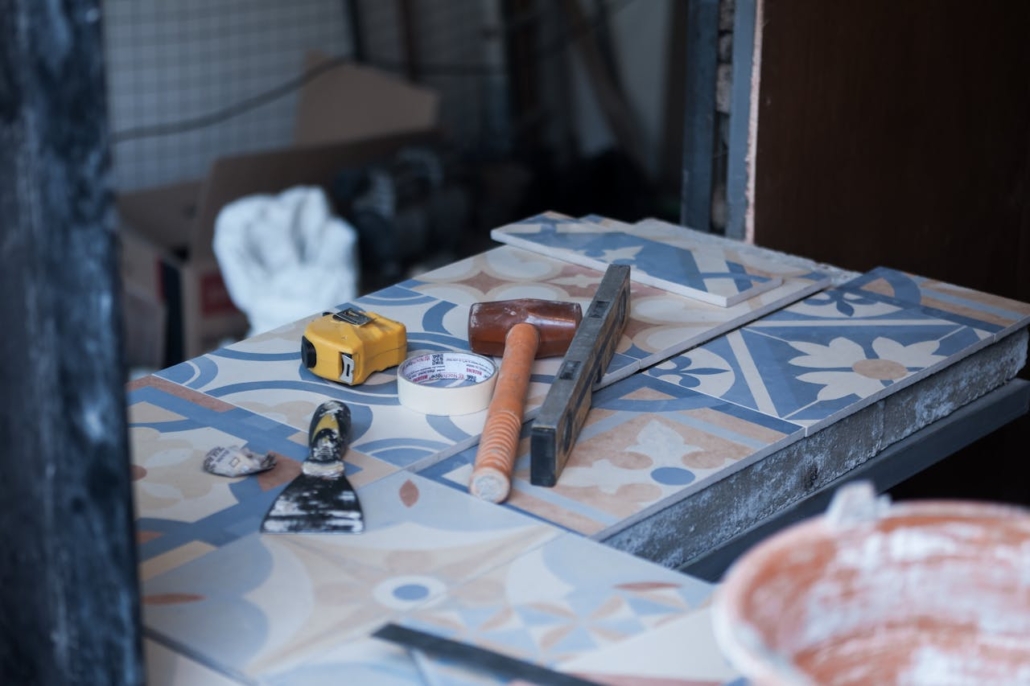
Tiling around edges isn’t just about framing a space. It’s where most outdoor problems start if the work hasn’t been done right. With early winter settling in across Brisbane by June, more pressure ends up on those outer joints. Rain starts to roll through, and cold nights can make the ground shift just a bit more than usual. That’s when weak edges show up early with cracked grout or uneven tiles. These issues are frustrating and hard to patch without replacing whole sections.
Calling a tiles company in Moorooka means you’re working with people who have seen how outdoor layouts behave in Queensland conditions. Edging is more than just a finish. It keeps water from slipping underneath and holds the whole surface steady across changing weather. That’s why we think it’s important to get it right from the start.
Matching Tile Edging to Site Conditions
We don’t guess or go straight into laying tile. Before work begins, we look closely at the site because each corner, slope, and surface tells its own story. Sometimes the ground dips near walkways, or the edge follows next to a stepped garden bed. These spots matter most during early winter when rain starts pooling in uneven patches and makes movement easier under poor joins.
- Softer soils can’t hold a tight edge unless the layout spreads the weight evenly
- Anywhere water flows, like beside fences or along garages, needs slope-aware placement
- Even nearby turf and stones need to blend at proper heights so nothing lifts over time
We don’t force edging to fit into a layout that doesn’t suit the site. It works better when we plan for what’s actually there. Even tiny changes in ground shape can cause long-term trouble if ignored.
Common Problems with Poor Edging
You’ll spot a badly edged tile area quickly after only a few wet or cold days. Loose tiles, moved corners, and water that refuses to drain are all early warning signs. What often causes them is thinking the edge will stay in place without building it for movement.
- Straight joins at tile boundaries tend to crack without flexible bonding or control joints
- Corners shift fastest when they’re cut too small or placed without enough support underneath
- Expansion gaps left out or done wrong can press tiles against each other and pop the edge out
We’ve seen how much extra work comes from trying to fix edges that weren’t thought through at the start. Once winter is in, it’s harder to repair those spots without pulling up the row beside it too. That’s why we spend more time on edges before anything is laid.
How We Plan for Movement and Load
An edge needs to hold up against more than just weather. There’s foot traffic, garden tools, wheelbarrows, and sometimes even the edge of a vehicle track. That’s why we treat edging like a working part of the space, not just the finish line. We factor in how often that part will be used and what kind of pressure it will get during cooler mornings or after wet weather.
- We choose tile types that won’t break down under side impact or shifting loads
- Grout must hold steady through the season but still flex enough as the ground dries or re-wets
- Where we expect shifting soil, we adjust with flexible joins or lay tiles into heavier bedding
The key is thinking ahead. In early June, we expect more moisture sitting in the ground through the day. That makes the bedding layer work harder. It’s easier to build the structure to absorb that pressure from the beginning than to rebuild it once the rain comes in.
Real-World Layout Adjustments That Make a Big Difference
Some of the smartest edging decisions happen before the first tile touches the site. We look at where lines change shape or end and adjust the pattern to support the structure, not just appearance. That’s even more helpful in smaller spaces where there’s no room to hide cuts or patchwork.
- Slanting an edge cut or softening a corner keeps tiles from overhanging where they might break
- We line tile flow with nearby walls or foundation shapes so the joints match natural boundaries
- Keeping straight lines along long edges helps water run off without pooling mid-tile
Planning it this way also makes it easier to keep the whole space clean. Leaves, dirt, and water won’t catch in hidden joints or raised spots. It makes for a space that stays useful through winter without soaking or slipping in the usual trouble zones.
Why Proper Edging Holds Strong Through Queensland Winters
Winter in Brisbane isn’t freezing, but it’s still enough for tiles to shift if the layout doesn’t fit the ground. Rain comes without much warning, and when it sits for too long, you end up with broken grout or uneven slabs. Strong edge work keeps that from spreading toward the middle of the space.
- Edges built with clear lines and support don’t lift out of place after heavy rain
- Consistent gaps and clean joins make it easier to keep dirt and damp from sitting too long
- When everything is tight from the outer row inward, it anchors the rest of the layout across the season
Doing the work right at the edge means fewer headaches in the colder months. We don’t try to rush those parts because we know that’s where most problems start. By grounding the tiles properly and shaping the strip to match both the ground and the weather, we give the whole area a better chance of holding up through winter.
That steady base along the outer frame ends up deciding how long the rest of the surface will last. When the edging fits the land, the slope, and the season, it supports more than just the look. It keeps everything steady when the weather changes. That’s what we aim for every time.
For projects that demand edge-focused planning across Brisbane, we’re ready to help. Our experience with local ground conditions ensures your tile work stands up to shifting seasons. Working with a tiles company in Moorooka means you’ll get layouts shaped for your site, not just the plans. At Urban Tile Company, we build from the edges in so your finish stays strong from day one. Share your project details with us and let’s get started.

Leave a Reply
Want to join the discussion?Feel free to contribute!